For a long time, the conversation surrounding men’s clothing was, quite frankly, predictable. It was a world governed by rigid rules, muted color palettes, and the eternal dominance of the three-piece suit. Historically, men’s fashion was less about expression and more about uniform—a way to signal status, profession, or conformity to social norms.
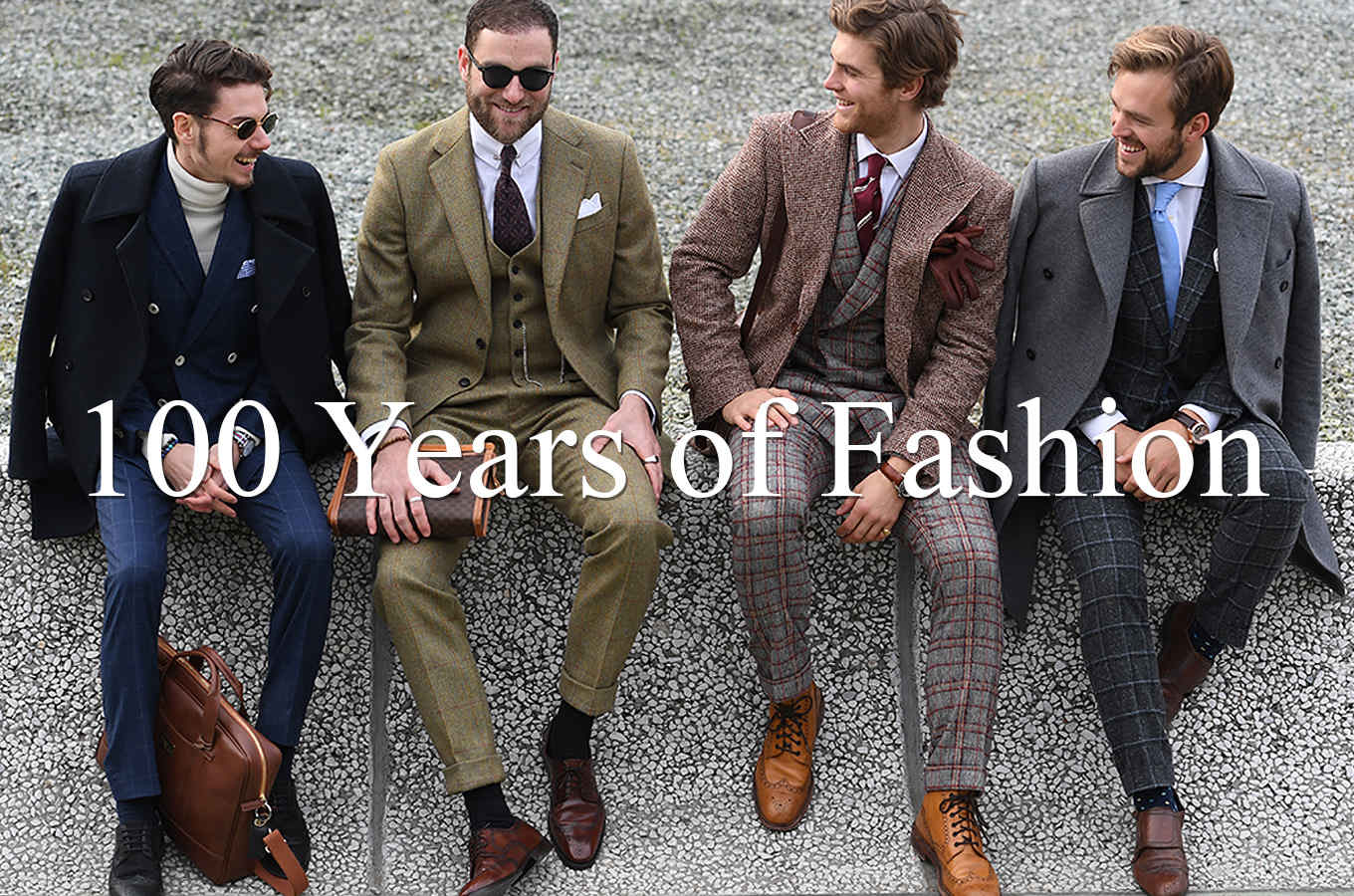
However, as we navigate the mid-2020s, the “feeling” toward men’s clothing has shifted from obligation to opportunity. We are witnessing a period where the boundaries of masculinity are being redrawn through fabric and silhouette. Today, men’s fashion feels more exciting, diverse, and inclusive than perhaps any other era in modern history. This article explores the changing sentiments toward men’s style and why the current revolution matters.
The Death of the “Strict” Uniform
For decades, the suit was the apex of masculine dressing. While the craftsmanship of a well-tailored suit remains a thing of beauty, our collective feeling toward it has changed. It is no longer a mandatory requirement for respectability.
The rise of the “Smart Casual” and “Work-from-Home” eras has liberated men from the starched collar. This shift feels like a breath of fresh air. It has allowed men to prioritize comfort without sacrificing aesthetics. The modern feeling toward men’s clothing is one of functional elegance. We now appreciate a high-quality knit polo, a well-cut overcoat, or a pair of tailored drawstring trousers just as much as—if not more than—the traditional tuxedo. This transition signals a move toward a more authentic self, where clothing serves the man’s lifestyle rather than a corporate handbook.
Embracing the Emotional Language of Color and Texture
Historically, men were often restricted to a “safe” spectrum of navy, charcoal, black, and khaki. Stepping outside these bounds was often met with skepticism. Today, the sentiment has swung toward a celebration of visual richness.
There is a growing appreciation for the “tactile” man. We are seeing a resurgence of textures like corduroy, mohair, silk, and heavy-gauge wool. Men are no longer afraid of pastels, earth tones, or even bold floral prints. This change feels significant because it allows for a more nuanced emotional expression. When a man chooses a terracotta linen shirt or a forest green velvet blazer, he is communicating a sense of personality and confidence that a standard grey suit simply cannot convey. The “feeling” here is one of liberation—the freedom to be vibrant.
The Breaking of Gendered Barriers
Perhaps the most provocative shift in our feelings toward men’s clothing is the blurring of gender lines. High fashion and street style alike have begun to embrace elements once reserved for womenswear. Whether it is the return of the “heeled” boot, the use of sheer fabrics, or the adoption of jewelry and bags (the “man bag” or “cross-body”), the definition of masculine attire is expanding.
Initially, these trends met with resistance, but the current sentiment is one of curiosity and acceptance. This “New Masculinity” in clothing suggests that being a man isn’t about adhering to a specific set of garments, but about the confidence with which one carries oneself. Seeing men experiment with pearls, painted nails, or softer silhouettes feels less like a loss of tradition and more like an enrichment of the human experience. It is a move toward individualism over stereotype.
The Rise of the Conscientious Consumer
How we feel about men’s clothing is also deeply tied to how it is made. There is a palpable shift away from “disposable” fast fashion toward “investment” pieces. The modern man feels a greater responsibility toward sustainability and heritage.
The “Buy Less, Buy Better” philosophy has taken a firm hold. Men are increasingly interested in the story behind their clothes—where the cotton was grown, who stitched the leather, and how long the garment will last. This brings a sense of pride and connection to the wardrobe. Owning a pair of boots that can be resoled or a jacket that patinas over time feels more rewarding than a constant cycle of cheap, trendy hauls. It reflects a more mature, thoughtful approach to consumption.
Streetwear as the New High Fashion
We cannot discuss our feelings toward men’s clothing without acknowledging the total integration of streetwear. What was once dismissed as “youth fashion” is now the blueprint for luxury. The feeling toward hoodies, sneakers, and cargo pants has evolved from “sloppy” to “aspirational.”
This shift has democratized fashion. It has brought a sense of community and hype to men’s dressing. The “drop” culture and the obsession with limited-edition collaborations have made clothing a hobby and a collector’s game. While some argue this has made fashion too commercial, many feel it has made style more accessible and fun, breaking down the stuffy barriers of the “old guard” fashion houses.
Conclusion
Ultimately, the way we feel about men’s clothing today is characterized by a sense of unprecedented freedom. We are no longer living in an era where a man is defined by the stiffness of his tie. Instead, we are in a time of “The Great Refinement,” where comfort, personality, sustainability, and experimentation coexist.
Men’s fashion has become a playground rather than a prison. Whether a man chooses a rugged outdoor aesthetic, a minimalist Scandinavian look, or a daring avant-garde silhouette, the consensus is clear: the best thing a man can wear is a sense of self-assurance. As we move forward, the “feeling” of men’s clothing will likely continue to soften, brighten, and diversify, reflecting a society that values the person inside the clothes more than the labels themselves.
Would you like me to create a guide on the five essential “investment pieces” every man should have in his wardrobe to navigate this new era of style?