In recent years, South Korea has firmly established itself as one of the world’s most influential epicenters of modern fashion. Driven by the global phenomenon of the Korean Wave (Hallyu), K-pop aesthetics, and the dynamic street style of Seoul Fashion Week, Korean fashion trends have redefined contemporary casual wear. What makes this sartorial movement so distinct is not merely the individual garments, but the artful philosophy of balancing structural comfort, visual minimalism, and bold self-expression.
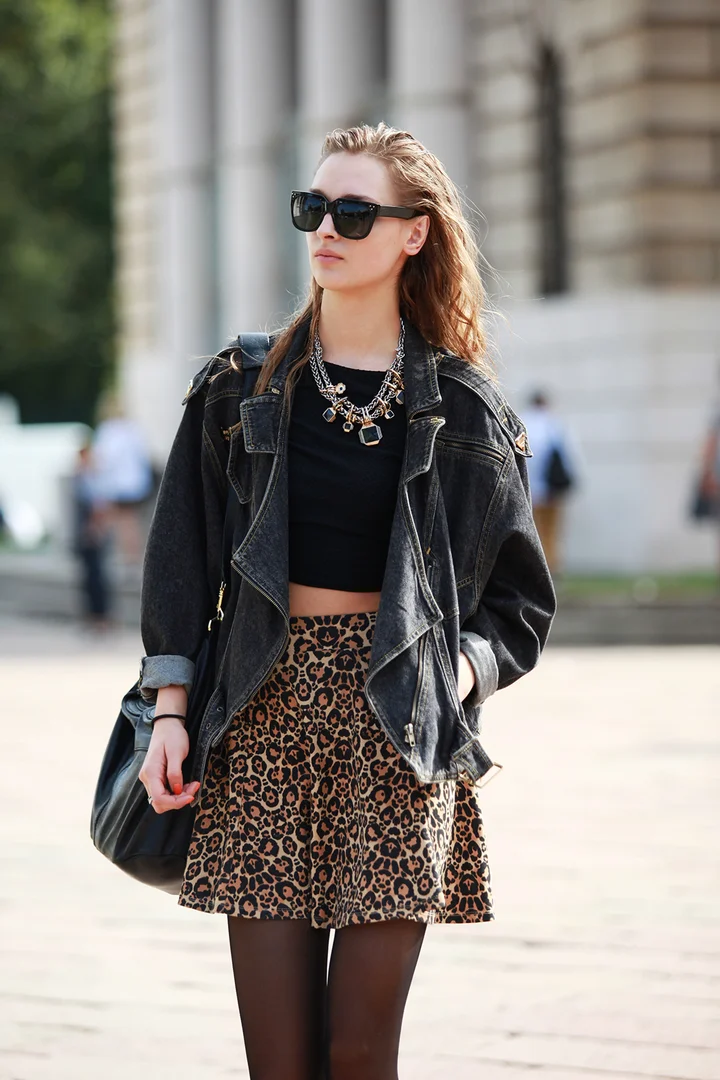
To understand why Korean fashion continues to captivate global audiences, one must examine its core design strategies, silhouette manipulations, and cultural versatility. This guide explores the foundational elements that define modern Korean style.
1. Mastering the Art of Oversized and Sculptural Silhouettes
One of the most recognizable characteristics of Korean fashion is the intentional use of oversized, relaxed silhouettes. Rather than fitting clothes tightly to the body, Korean street style prioritizes structure, volume, and movement.
- Boxy blazers and tailored coats: Oversized blazers with strong shoulder pads are paired with wide-leg trousers or casual denim to create a refined yet effortless look.
- Volumetric knitwear and hoodies: Sweaters featuring dropped shoulder seams and extended sleeves offer a relaxed, cozy aesthetic while maintaining a clean, intentional shape.
- Wide-leg pants and cargo trousers: High-waisted, wide-cut bottoms form the base of many outfits, elongating the visual line of the body while providing maximum physical comfort.
2. The Playful Dynamics of Layering and Textures
Layering is a fundamental technique in Korean fashion, allowing individuals to transform simple wardrobe basics into visually complex, weather-adaptable ensembles.
Combining Contrast Fabrics
Korean styling frequently pairs contrasting textures within a single outfit. A soft mohair sweater might be layered over a crisp cotton button-down shirt, or a sleek leather jacket paired with a flowing pleated skirt. This textural contrast creates visual depth without relying on overly complex patterns.
Vest and Slip-Dress Layering
A classic hallmark of Korean casual style is wearing sleeveless vests, cropped tanks, or slip dresses over long-sleeved shirts and turtlenecks. This approach adds an element of youthful charm while allowing lightweight summer garments to transition smoothly into colder seasons.
3. Key Aesthetic Categories in Contemporary Korean Fashion
While Korean style is fluid and constantly evolving, several distinct aesthetic pillars serve as foundations for everyday outfits:
- Streetwear and utility chic: Heavy cargo pockets, technical nylon outerwear, chunky sneakers, and graphic tees dominate this category, inspired heavily by K-pop performance attire and urban youth subcultures.
- Minimalist tone-on-tone elegance: Centered around neutral palettes—such as cream, beige, soft gray, butter yellow, and muted sage—this sub-style relies on clean lines, high-grade fabrics, and subtle color blocking for a sophisticated daily look.
- Preppy academic aesthetic: Pleated tennis skirts, structured cardigan sweaters, varsity jackets, and loafer shoes with visible white socks reinterpret classic school uniform silhouettes into chic daily fashion.
4. Elevating Outfits with Footwear and Accessories
Accessories in Korean fashion are rarely treated as an afterthought; they act as crucial structural components that complete the entire visual narrative.
- Chunky platform footwear: Platform loafers, combat boots, and retro-inspired “dad” sneakers add weight and balance to oversized upper garments, anchoring the entire outfit.
- Statement headwear: Bucket hats, classic berets, and minimal baseball caps are frequently integrated into daily wear to add an effortless, low-profile aesthetic.
- Crossbody bags and micro-totes: Functional yet stylish bags—ranging from sleek leather crossbody pouches to structured canvas totes—provide practicality while framing the waistline.
5. Gender-Fluid Styling and Universal Appeal
A defining quality of modern Korean fashion trends is the seamless breakdown of rigid gender boundaries. Designers and fashion enthusiasts in Seoul frequently embrace gender-neutral garments and unisex styling principles.
Men often wear soft pastel palettes, fluid wide-leg pants, and delicate jewelry accessories, while women embrace hyper-masculine boxy tailoring, heavy combat boots, and unstructured outerwear. This shared style vocabulary creates an inclusive environment focused purely on proportion, color harmony, and creative freedom rather than traditional gender expectations.
Conclusion
Korean fashion trends have earned their global influence by offering a refreshing blend of wearability, structural elegance, and creative innovation. By mastering oversized silhouettes, experimenting with strategic layering, exploring distinct aesthetic sub-genres, and integrating bold footwear, anyone can adopt the effortless charm of Seoul street style. Ultimately, Korean fashion teaches us that style should be comfortable, versatile, and deeply expressive—allowing individual personality to shine through every carefully curated ensemble.