For over a century, the fashion magazine has served as the ultimate gatekeeper of style, culture, and aspiration. From the hand-drawn illustrations of the late 19th century to the high-definition digital covers of today, these publications have done far more than suggest what we should wear. They have documented social shifts, championed artistic movements, and provided a window into a world of glamour that—for most—remains just out of reach.
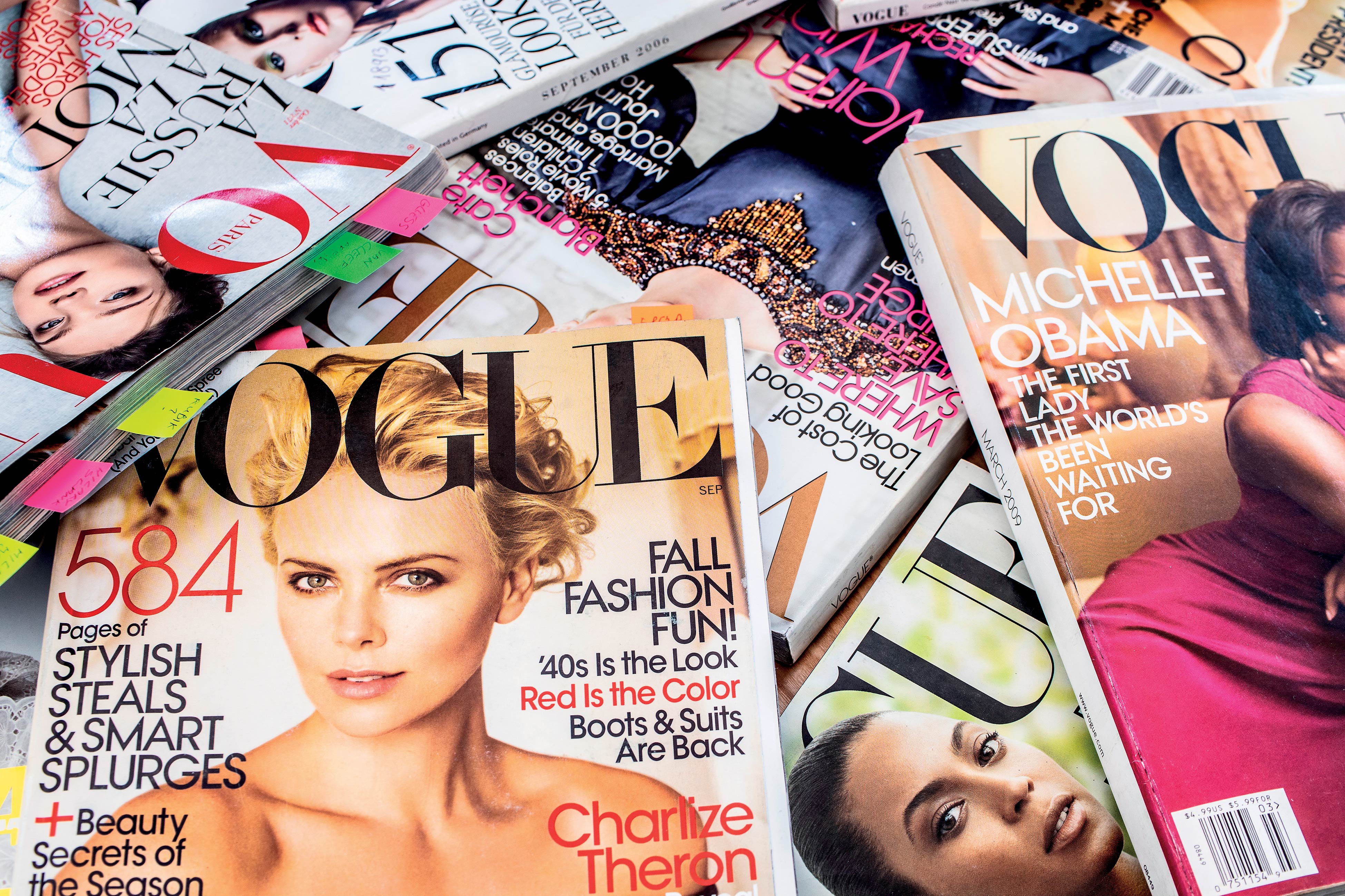
In an era dominated by instantaneous social media updates and influencer culture, one might wonder if the traditional fashion magazine still holds weight. However, the industry has proven remarkably resilient by reinventing itself as a source of curated authority and high-concept art.
The Historical Blueprint: From Information to Aspiration
The roots of the modern fashion magazine can be traced back to the 1600s with the Mercure Galant, but it wasn’t until the late 1800s and early 1900s that titles like Vogue (founded in 1892) and Harper’s Bazaar (founded in 1867) began to shape the global consciousness.
Initially, these magazines were instructional. They provided dressmaking patterns and social etiquette advice for the elite. However, as photography technology advanced, the “fashion plate” was replaced by cinematic imagery. Legendary photographers like Richard Avedon and Irving Penn transformed the fashion magazine from a catalog into a gallery. Suddenly, the clothes were secondary to the mood, the lighting, and the narrative. This shift turned magazines into “Glossy Bibles,” dictating not just what was trendy, but what was considered beautiful and culturally relevant.
The Architecture of a Fashion Magazine
A successful fashion magazine is a carefully balanced ecosystem of different types of content. Each element serves a specific purpose in engaging the reader’s imagination and wallet.
1. The Editorial Spread
The heart of any magazine is the “editorial.” These are the multi-page photographic stories where a stylist, photographer, and model collaborate to create a visual fantasy. Editorials often have themes—ranging from “Victorian Gothic” to “Futuristic Sportswear”—and they are designed to inspire rather than to be taken literally.
2. The “Front of Book” (FOB)
The early pages of a magazine usually contain shorter, punchier segments. This includes trend reports, beauty product “must-haves,” and interviews with emerging designers. It is the most commercial part of the magazine, designed for quick consumption and shopping inspiration.
3. Long-Form Features
Beyond the visuals, prestigious fashion magazines are known for high-quality journalism. Profiles of iconic designers, deep dives into the ethics of the textile industry, and essays on the intersection of politics and dress provide the intellectual backbone that gives the publication its “prestige” status.
The Big Four: Global Authorities of Style
While there are thousands of publications worldwide, the industry is largely anchored by what insiders call “The Big Four.” These magazines represent the pinnacle of fashion media:
- Vogue: Often called the most influential fashion magazine in the world. With various international editions, it remains the ultimate goal for every designer and model.
- Harper’s Bazaar: Known for its sophisticated, artistic approach and its history of featuring legendary writers and artists.
- Elle: Focusing more on the “lifestyle” aspect, Elle bridges the gap between high fashion and the high street, making style feel more accessible to the modern woman.
- Marie Claire: Combines fashion with serious social issues, often reporting on women’s rights and global affairs alongside seasonal trends.
The Digital Transformation: Survival in the Age of Instagram
The rise of the internet initially sent shockwaves through the publishing world. Print circulations declined as readers turned to blogs and then Instagram for style inspiration. However, fashion magazines did not disappear; they evolved into multi-platform brands.
Today, a magazine is no longer just a physical product. It is a YouTube channel featuring “What’s in my bag” videos, a daily updated website, a podcast series, and an Instagram feed with millions of followers. The physical print issue has transitioned into a “collector’s item.” People buy print today for the tactile experience—the smell of the paper, the high-quality ink, and the ability to keep a piece of fashion history on their coffee table.
Furthermore, magazines provide something that social media lacks: Validation. While anyone can post a photo on Instagram, being featured in the pages of a major magazine remains the ultimate “seal of approval” for a designer or celebrity. It represents a level of professional curation that an algorithm cannot replicate.
Diversity and the New Editorial Voice
Perhaps the most positive shift in the fashion magazine industry is the move toward inclusivity. For decades, magazines were criticized for promoting a narrow, exclusionary standard of beauty. In recent years, titles like British Vogue (under Edward Enninful) and independent “indie” magazines like i-D and Dazed have led a revolution.
We now see a wider representation of ages, body types, ethnicities, and gender identities on covers. This has made fashion magazines more relevant to a global audience, proving that style belongs to everyone, not just a select few.
Conclusion
The fashion magazine remains a vital pillar of the creative world. It is a record of our times, a showcase for artistic genius, and a guide for personal expression. While the medium may change—from paper to pixels—the human desire for curated beauty and storytelling remains constant. As long as there is a desire to dream and a need to create an identity through clothing, the fashion magazine will continue to be our most trusted companion on the journey.
Would you like me to create a list of the top independent fashion magazines you should follow for more avant-garde style inspiration?