The American fashion landscape has undergone a seismic shift over the last few decades. What once began as niche subcultures in the skate parks of California and the hip-hop blocks of New York City has blossomed into a multi-billion dollar industry. At the heart of this revolution are US clothing firms specializing in “urban brands”—companies that have successfully commercialized the spirit of the street while maintaining an aura of authenticity.
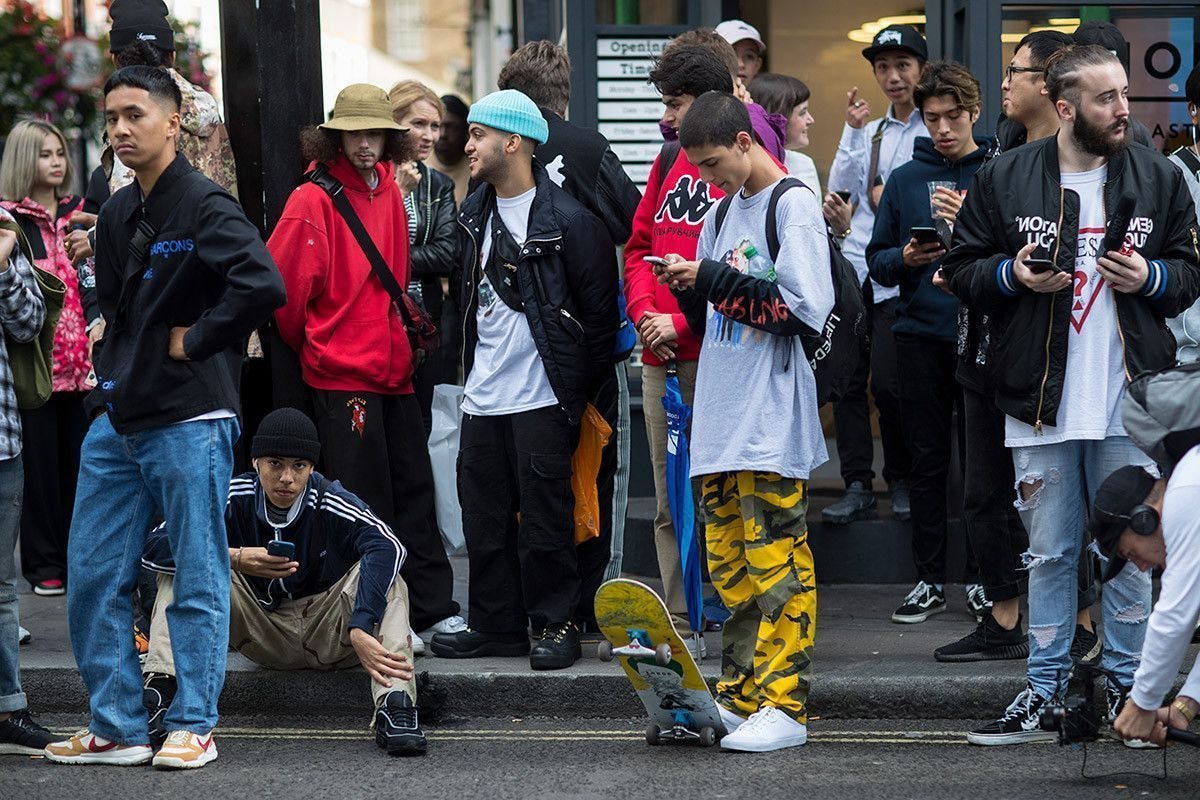
Today, these firms do more than just sell apparel; they curate lifestyles. In this article, we explore the major players, the cultural drivers, and the future of urban brands within the United States.
The URBN Powerhouse: A Portfolio of Lifestyle
When discussing US clothing firms with an “urban” focus, one cannot ignore the titan of the industry: URBN (Urban Outfitters, Inc.). Based in Philadelphia, URBN has mastered the art of lifestyle branding. Unlike traditional retailers that focus solely on clothing, URBN brands create immersive environments that reflect the aesthetic desires of their target demographics.
- Urban Outfitters: The flagship brand serves as a “cultural mall” for Gen Z and Millennials, blending kitschy nostalgia with modern streetwear trends.
- Anthropologie and Free People: These brands lean into the “bohemian-urban” aesthetic, proving that urban fashion isn’t just about hoodies and sneakers, but also about a free-spirited, city-dwelling elegance.
URBN’s success lies in its ability to adapt. By incorporating curated third-party brands alongside their own private labels, they stay ahead of the “cool” curve, making their stores essential destinations for urban youth.
The Pioneers of Streetwear: Supreme and Stüssy
While large corporations dominate the retail space, the soul of US urban fashion is rooted in independent firms that grew into global icons. Supreme and Stüssy are the two primary architects of the modern urban “drop” culture.
Stüssy, founded in the early 1980s by Shawn Stussy, is often credited with starting the streetwear movement. By placing a scrawled surfboard logo on t-shirts and hats, Stüssy created a sense of “tribal” belonging that transcended geography.
Supreme, founded in 1994 in New York, took this concept and added the element of extreme scarcity. Their business model—releasing limited quantities of products on specific days—turned shopping into an event. These firms proved that an urban brand’s value is dictated not by its price tag, but by its cultural capital and exclusivity.
The New Guard: Kith and Aimé Leon Dore
As we move further into the 2020s, a new generation of US firms is redefining “urban” as something more sophisticated and polished. New York-based brands like Kith and Aimé Leon Dore (ALD) have successfully merged the grit of the street with the refinement of luxury fashion.
- Kith: Founded by Ronnie Fieg, Kith has become a powerhouse of collaboration. By partnering with everyone from Nike to BMW, Kith has turned the urban clothing firm into a versatile design studio.
- Aimé Leon Dore: Under Teddy Santis, ALD has revitalized “prep-urban” style. Their aesthetic—think vintage 90s New York, basketball heritage, and high-quality knitwear—has attracted a demographic that wants to look “street” without looking “sloppy.”
These brands represent the “maturation” of urban fashion, where the focus has shifted toward premium materials, storytelling, and a deep appreciation for New York’s cultural history.
The Drivers of Success: Why Urban Brands Dominate
The dominance of US urban clothing firms isn’t accidental. It is driven by several key factors that other sectors of the fashion industry often struggle to replicate:
1. Cultural Authenticity
Urban brands are deeply embedded in music, sports, and art. When a rapper wears a specific brand in a music video or an NBA player wears it during a pre-game tunnel walk, the brand gains an immediate stamp of approval that traditional advertising cannot buy.
2. Community and Identity
Urban fashion is a visual language. Wearing a specific brand often signals that the wearer is part of a specific “sub-group” or shares a certain set of values, such as DIY creativity or an appreciation for underground art.
3. Digital Savvy
US urban firms were early adopters of social media marketing. By utilizing platforms like Instagram and TikTok to showcase “street style” rather than polished studio photography, they created a relatable and aspirational digital presence.
Conclusion
The US clothing firms behind today’s urban brands have fundamentally changed how the world perceives fashion. They have moved the “center of gravity” from the ateliers of Paris to the streets of Brooklyn and Los Angeles. By prioritizing authenticity, scarcity, and community, these firms have built brands that are resilient to the shifting tides of fast fashion.
As we look toward the future, the challenge for these brands will be maintaining their “cool” factor while scaling into global conglomerates. However, if their history is any indication, their ability to listen to the streets will keep them at the forefront of the industry for decades to come.
Would you like me to write a detailed comparison of the marketing strategies used by Supreme versus Kith to see how they maintain their brand hype?