In the modern era, the sidewalk has officially replaced the runway. Urban fashion lifestyle is no longer just a subculture defined by skaters or hip-hop artists; it has become the dominant global aesthetic. From the bustling streets of Tokyo to the high-rise districts of New York and the creative hubs of Berlin, urban fashion represents a synthesis of comfort, identity, and social commentary. It is a living, breathing movement that reflects how we navigate the complexities of city life while maintaining a sense of personal flair.
The Core Philosophy of Urban Style
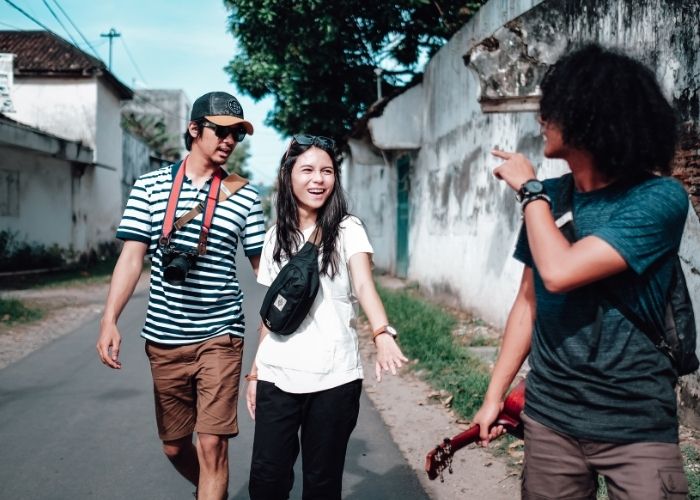
At its heart, urban fashion is built upon the foundation of utilitarianism blended with self-expression. Unlike traditional high fashion, which often prioritizes form over function, urban style demands that clothing works for the wearer. Living in a city involves movement—walking to the subway, cycling through traffic, or transitioning from a creative workspace to a late-night social gathering.
Consequently, the urban wardrobe is characterized by versatility. It is an aesthetic that embraces the “high-low” mix: pairing a luxury designer jacket with vintage thrift-store finds or rocking limited-edition sneakers with tailored trousers. This lifestyle rejects the rigid rules of the past, proving that style is not about how much an outfit costs, but how it is curated.
The Pillars of the Urban Wardrobe
To understand the urban fashion lifestyle, one must look at the specific elements that define its visual language. While trends fluctuate, certain staples remain constant due to their cultural significance and practicality.
The Rise of Technical Apparel (Techwear)
One of the most significant shifts in urban fashion is the integration of “Techwear.” This involves garments made from high-performance fabrics like Gore-Tex, featuring waterproof zippers, multiple pockets, and modular designs. For the urban dweller, this isn’t just about looking futuristic; it’s about surviving the “urban jungle.” These clothes are designed to handle sudden rain showers and the physical demands of commuting while looking sharp and streamlined.
The Sneaker Culture Phenomenon
You cannot discuss urban lifestyle without mentioning sneakers. What started as athletic gear has transformed into a multi-billion dollar cultural economy. For many, sneakers are the centerpiece of an outfit—a status symbol and a conversation starter. The “sneakerhead” culture has pushed brands to collaborate with artists and architects, blurring the lines between footwear and fine art.
Oversized Silhouettes and Gender Fluidity
Urban fashion has been a pioneer in breaking down the barriers of gendered clothing. The preference for oversized hoodies, wide-leg cargos, and boxy tees creates a silhouette that is inclusive and relaxed. This shift toward “androgynous” dressing reflects a broader societal move toward authenticity and breaking away from traditional expectations of how men and women “should” dress.
Sustainability in the City
As the urban fashion lifestyle matures, it is increasingly intersecting with the global push for sustainability. City dwellers are often at the forefront of social change, and their shopping habits reflect this. There is a growing movement toward “Slow Fashion” within urban circles.
Instead of buying mass-produced fast fashion, urbanites are increasingly turning to:
- Vintage and Resale Markets: Platforms like Depop and Grailed, along with local thrift boutiques, allow shoppers to find unique pieces with a history, reducing the environmental impact of new production.
- Upcycling: Many urban designers are gaining fame by taking old garments and deconstructing them into something entirely new and “one-of-one.”
- Ethical Brand Loyalty: Urban consumers are more likely to support brands that are transparent about their supply chains and use organic or recycled materials.
The Digital Influence: Social Media and Street Style
The way urban fashion is consumed has been revolutionized by the digital landscape. In the past, style was dictated by magazines; today, it is curated by the community on platforms like Instagram and TikTok. “Street style” photography has turned everyday people into influencers, showcasing how real people wear clothes in real environments.
This digital connectivity has led to the democratization of fashion. A trend can start in a small neighborhood in Seoul and become a global sensation within forty-eight hours. This rapid exchange of ideas keeps urban fashion in a constant state of flux, making it one of the most exciting and unpredictable industries in the world.
Cultural Identity and the Power of Subcultures
Urban fashion is never just about the clothes; it is deeply rooted in music, art, and community. Whether it’s the influence of 90s grunge, the precision of Japanese minimalism, or the vibrant colors of Afro-punk, urban style serves as a visual manifesto for one’s heritage and interests.
Cities are melting pots, and urban fashion is the result of those cultures colliding. It allows individuals to signal their belonging to a certain group—be it a skateboarding crew, a tech collective, or an underground music scene—without saying a single word.
Conclusion
The urban fashion lifestyle is far more than a passing trend; it is a reflection of modern human civilization. It prioritizes the individual’s need for comfort and mobility while offering an expansive canvas for creativity and cultural pride. By blending technology, sustainability, and history, urban fashion continues to push the boundaries of what it means to be well-dressed in the 21st century.
As cities continue to grow and evolve, so too will the way we dress to inhabit them. The concrete catwalk remains the most authentic stage for fashion, where the only limit is the wearer’s imagination.
Would you like me to develop a more specific guide on how to build a minimalist urban capsule wardrobe for your next blog post?