The global fashion landscape moves at an unprecedented pace. Micro-trends emerge overnight on social media channels, runway collections redefine seasonal aesthetics, and retail cycles constantly introduce new silhouettes to the market. For many individuals, attempting to follow fashion trends can feel overwhelming, costly, and financially exhausting.
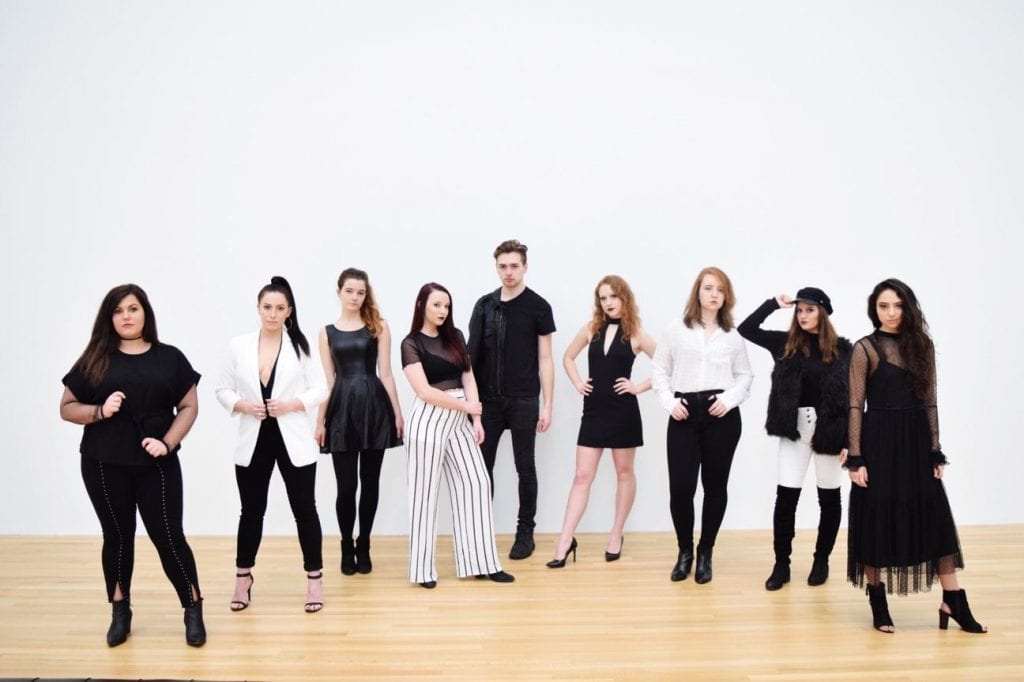
However, keeping up with style evolutions does not mean blindly purchasing every viral item. When approached strategically, following trends becomes an intentional creative practice—one that allows you to refresh your wardrobe, express your identity, and adapt current aesthetics to fit your personal style.
1. Deconstructing the Modern Trend Cycle
To navigate fashion effectively, you must first understand how trends are generated, adopted, and phased out in the contemporary landscape.
- Macro-trends vs. micro-trends: Macro-trends represent long-term shifts in culture, lifestyle, and silhouette—such as the gradual movement toward relaxed tailoring or sustainable materials—lasting for years. Micro-trends are hyper-specific items or aesthetics that spike in popularity rapidly and fade just as fast.
- The runway to street pipeline: Designer runway shows establish core themes, color palettes, and structural shapes. High-street brands and digital creators then translate these concepts into accessible mainstream pieces.
- Social media acceleration: Algorithmic feeds speed up adoption rates, turning seasonal developments into brief aesthetic cycles. Recognizing this speed helps you distinguish between lasting style shifts and momentary internet fads.
2. Developing an Analytical Eye for Wearable Trends
Following fashion successfully requires filtering incoming trends through the lens of your individual lifestyle, body proportions, and daily environment. Not every runway trend translates naturally into real-world wearability.
The Rule of Proportional Adaptation
Instead of adopting a full trend head-to-toe, select specific elements that complement your existing wardrobe. If dramatic oversized blazers are trending, pair them with tailored trousers or structured denim to keep your overall silhouette balanced.
Evaluating Utility and Longevity
Before purchasing a trending garment, ask yourself if it integrates smoothly with at least three items currently in your closet. If a trend requires buying an entirely new supporting wardrobe to wear it once, it is likely a poor investment.
3. Practical Strategies for Integrating Trends Financially and Sustainably
Adopting modern trends does not require a large budget or excessive consumer waste. A mindful approach lets you participate in evolving aesthetics while maintaining financial responsibility.
- Invest in accessories first: Footwear, handbags, belts, and eyewear are high-impact ways to introduce trending colors or textures without overhauling your core garments.
- Utilize vintage and secondhand markets: Fashion operates on a cyclical wheel, typically repeating every twenty to thirty years. Vintage boutiques, consignment shops, and online resale platforms are excellent sources for original iterations of current trends.
- Prioritize quality over volume: Rather than buying multiple inexpensive versions of a trending item, invest in one well-constructed piece made from durable fabrics. A quality garment retains its structural integrity and resale value far longer than fast-fashion alternatives.
4. Building a Permanent Capsule Around Seasonal Trends
The most stylish individuals rarely rebuild their wardrobes from scratch each season. Instead, they maintain an enduring base of high-quality essentials and use trending elements as deliberate accents.
- Maintain a strong core foundation: Neutral-toned coats, crisp button-down shirts, tailored trousers, and versatile denim form the structural baseline of a functional wardrobe.
- Use trends as seasonal updates: Treat new trends as visual accents that refresh your foundational pieces. Adding a trending scarf, a bold accent coat, or updated footwear immediately modernizes classic outfits.
- Edit your closet regularly: Adopting new trends requires letting go of items that no longer serve your style. Regularly auditing your closet keeps your wardrobe curated, functional, and organized.
5. Transitioning from Trend Follower to Style Curator
Ultimately, fashion trends are dynamic tools designed for creative self-expression, not rigid rules to be obeyed blindly. The goal of tracking trends is to refine your unique personal aesthetic rather than copying external templates.
Cultivating personal style means developing confidence in what flatters your frame, suits your daily lifestyle, and matches your taste. When you view trends as optional creative choices rather than mandatory directives, you gain total autonomy over your image. You begin to pick and choose elements that enhance your personal brand while passing on movements that feel forced or uncomfortable.
Conclusion
Following fashion trends effectively is an art of intentional selection. By understanding trend cycles, evaluating wearability, adopting sustainable sourcing methods, relying on a solid foundation of wardrobe essentials, and prioritizing your personal style, you can participate in modern fashion with ease and confidence. Approaching style as a continuous, thoughtful evolution ensures your wardrobe remains relevant, functional, and uniquely your own.