Behind the Runway: The Structural Realities, Global Impact, and Evolution of Fashion Week
Fashion Week is widely recognized as the pinnacle of global style—a glamorous spectacle of lights, celebrity front rows, elaborate set designs, and avant-garde garments. However, viewing Fashion Week merely as a series of high-profile runway shows overlooks its true role within the international fashion ecosystem. Behind the brief ten-minute catwalk presentations lies a complex commercial, cultural, and logistical machine that shapes the multi-trillion-dollar apparel industry.
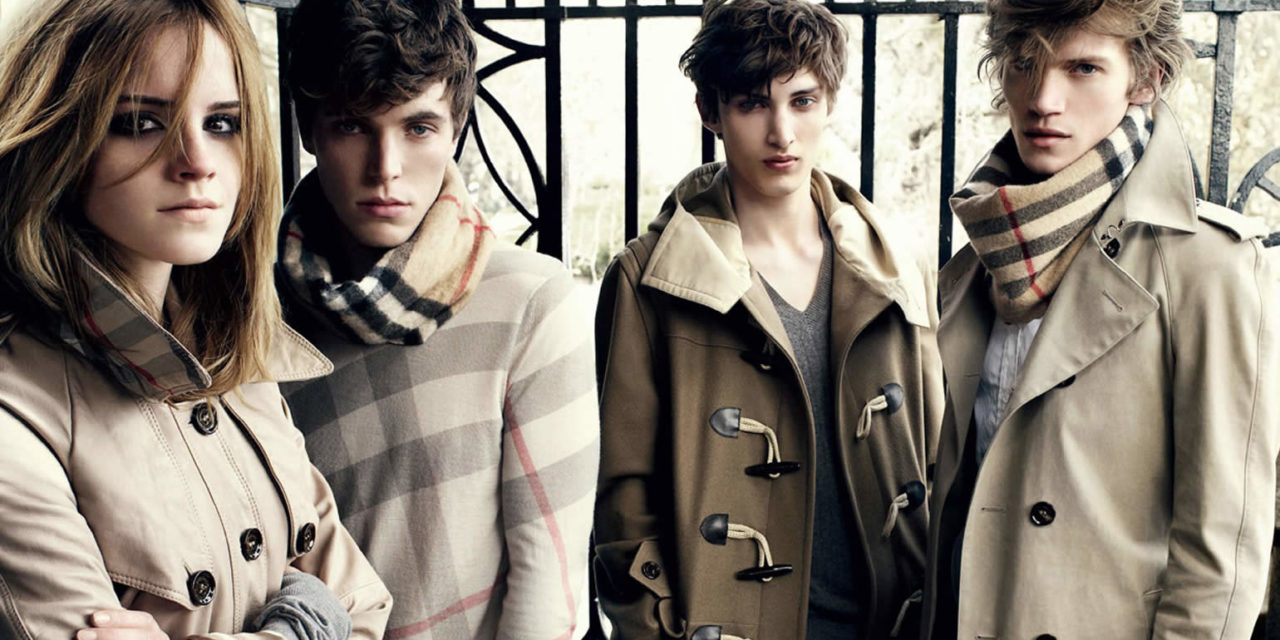
Understanding how Fashion Week operates, how its economic mechanisms function, and how it is adapting to modern digital demands offers essential insight into the business of fashion.
1. The Global Calendar and the Big Four Capitals
The international fashion calendar operates on a precise, twice-yearly schedule. This cycle is anchored by the “Big Four” fashion capitals, which present their ready-to-wear collections in a synchronized sequence every autumn and spring.
- New York: The traditional starting point of the circuit, New York Fashion Week (NYFW) focuses