In the fast-paced world of visual media, where first impressions are often the only impressions, the role of a Fashion Stylist has evolved from a luxury service for celebrities into a cornerstone of the global fashion industry. While designers create the garments, it is the stylist who creates the image. They are the visual storytellers who curate clothing, accessories, and aesthetics to communicate a specific message, whether for a high-fashion editorial, a red-carpet appearance, or a corporate brand identity.
Defining the Fashion Stylist
At its core, fashion styling is the art of coordinating clothing and accessories to create a desired look or “aesthetic.” However, the job is far more complex than simply picking out pretty clothes. A professional stylist must possess a deep understanding of body types, color theory, historical fashion references, and current market trends.
Stylists act as a bridge between the collection of a designer and the final presentation to the public. They work across various sectors, including:
- Editorial Styling: Working with magazines (like Vogue or Harper’s Bazaar) to create artistic spreads.
- Celebrity Styling: Dressing public figures for award shows, press tours, and daily life.
- Commercial/Wardrobe Styling: Curating outfits for advertisements, television shows, or films.
- Personal Styling: Helping everyday individuals overhaul their wardrobes to boost confidence and professional image.
The Creative Process: More Than Just Shopping
Many people mistake styling for a permanent shopping spree. In reality, the creative process is rigorous and highly organized. It begins with a concept or brief. For an editorial shoot, this might be a mood board filled with textures, cinematic references, and color palettes.
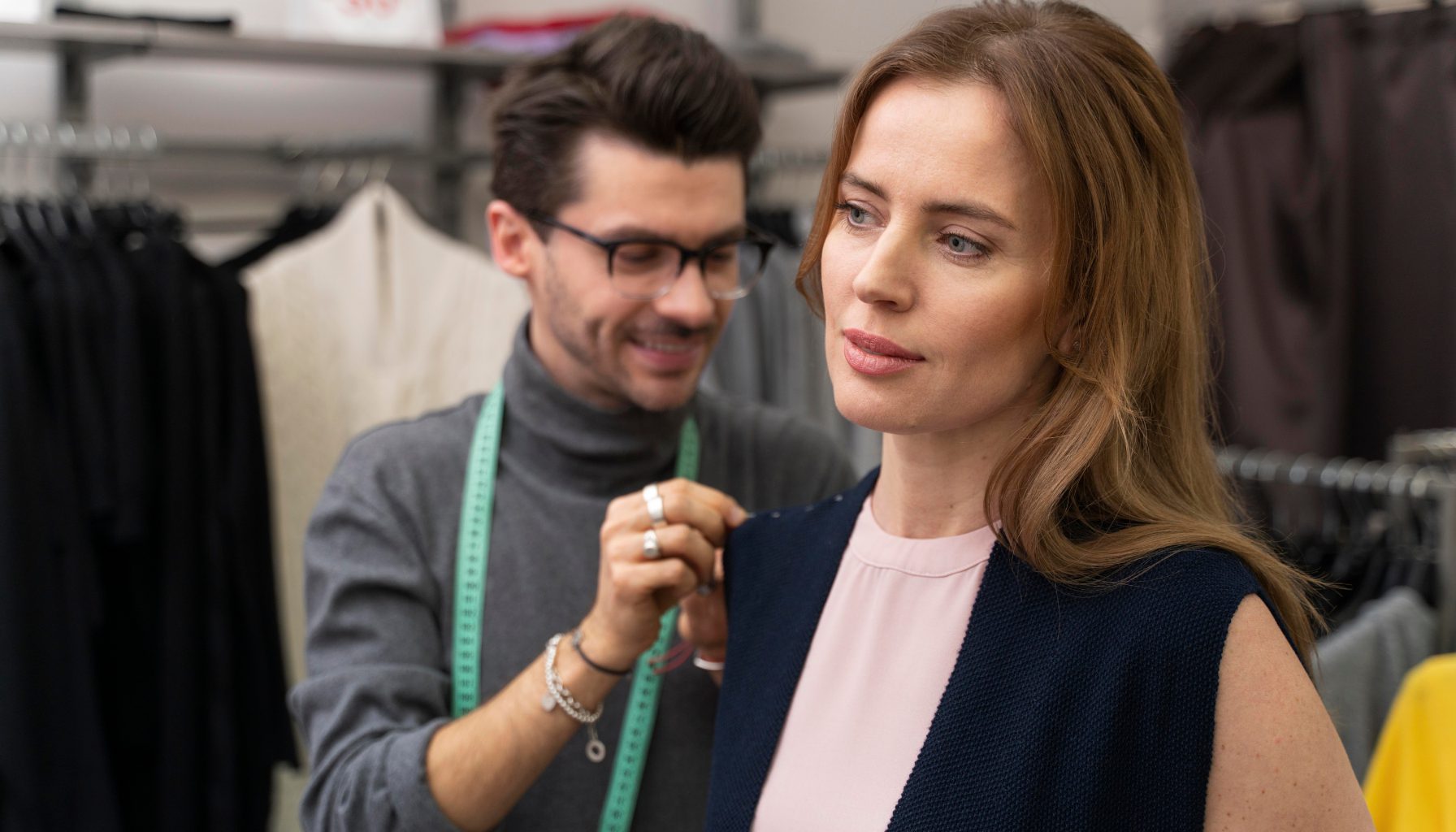
Once the vision is established, the “pulling” phase begins. Stylists reach out to PR agencies and designers to request specific pieces on loan. This requires building extensive networks and maintaining a reputation for reliability. After the garments arrive, the stylist conducts fittings, often making on-the-spot adjustments with pins, clips, and tape to ensure the fit is impeccable.
During the actual shoot or event, the stylist is on the “front lines.” They ensure every collar is straight, every fold of fabric is intentional, and the overall silhouette aligns with the creative direction. It is a job that demands high energy, physical stamina, and an obsessive attention to detail.
The Rise of the Celebrity Stylist
In the last decade, the visibility of fashion stylists has skyrocketed, thanks in large part to social media. Names like Law Roach, Maeve Reilly, and Harry Lambert have become almost as famous as the stars they dress. This shift has changed the industry’s power dynamics.
A stylist can effectively “rebrand” a celebrity. By choosing specific designers or daring silhouettes, a stylist can transform a pop star into a fashion icon or help an emerging actor secure a luxury brand contract. In this context, styling is a form of strategic communication. It isn’t just about looking good; it’s about positioning a person within the cultural zeitgeist.
Essential Skills for the Modern Stylist
To survive and thrive in this competitive field, one needs more than just “good taste.” Professionalism and technical skill are what separate hobbyists from experts.
1. Visual Literacy
A stylist must be able to read an image. They need to understand how lighting affects fabric color and how different camera angles can change the perception of a garment’s volume.
2. Networking and Relationship Management
The fashion industry runs on relationships. A stylist’s ability to borrow the latest runway pieces depends entirely on their rapport with brand managers and PR showrooms. Communication skills are paramount.
3. Business Acumen
Most stylists are freelancers. This means they are small business owners responsible for invoicing, budgeting, logistics, and self-marketing. Managing the “kit” (a suitcase full of essential tools like steamers, sewing kits, and double-sided tape) and handling expensive samples requires high levels of responsibility.
4. Adaptability
On a set, things rarely go perfectly. A dress might rip, a model might not show up, or the weather might ruin an outdoor shoot. A professional stylist is a problem-solver who can create a “Plan B” in seconds without breaking character.
The Influence of Technology and Sustainability
The digital age has introduced new dimensions to styling. We now see the emergence of Digital Stylists who work within the metaverse or use AI to create virtual lookbooks. Furthermore, the industry is facing a reckoning regarding sustainability.
Modern stylists are increasingly focusing on “circular fashion”—using vintage pieces, upcycling garments, or working with brands that prioritize ethical production. By choosing to style a client in an archival piece from the 1990s rather than a brand-new fast-fashion item, a stylist makes a powerful statement about the longevity and value of design.
How to Break Into the Industry
For those aspiring to enter this world, the path is rarely linear. Most successful stylists started as interns or assistants. Assisting is the most vital part of the education; it is where one learns the “un-glamorous” side of the job, such as packing heavy trunks, steaming dozens of shirts, and managing complex returns.
Building a portfolio (often called a “book”) is the next step. This usually involves “TFP” (Time for Print) shoots, where a photographer, model, makeup artist, and stylist collaborate for free to create high-quality images that showcase their collective talent.
Conclusion
The fashion stylist is the unsung hero of the visual world. They possess the unique ability to take a disparate collection of clothes and weave them into a narrative that moves people. Whether it is the confidence a personal stylist gives a client or the cultural impact of a red-carpet moment, their work influences how we perceive beauty, status, and identity.
As the fashion industry continues to evolve, the stylist’s role will only become more integral. They are no longer just “dressers”; they are creative directors, brand consultants, and curators of the modern aesthetic.
Would you like me to create a follow-up article focusing on the specific tools every fashion stylist needs in their professional kit?